Choosing the Right Senior School in Kenya After KJSEA 2025: A Parent’s Hopeful Guide
Introduction
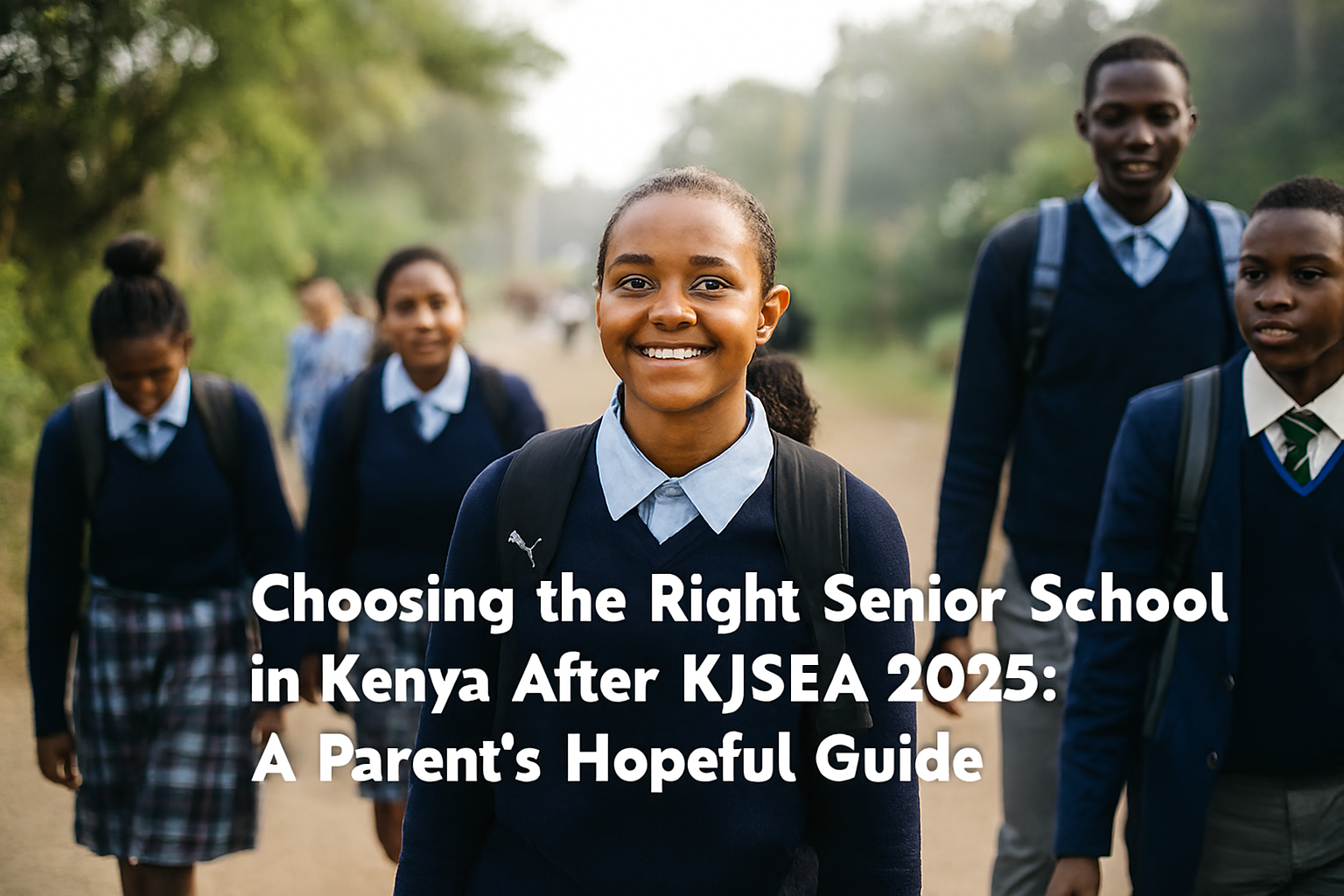
The release of the 2025 Kenya Junior School Education Assessment (KJSEA) has brought both relief and anticipation to families across the country. For many parents, the results are more than just numbers—they represent the doorway to the next stage of their child’s education. As learners prepare to transition into senior schools in January 2026, parents are faced with one of the most important decisions of their child’s academic journey: choosing the right school.
This decision is not simply about academics. It touches on values, discipline, opportunities, finances, and even the daily rhythm of family life. The choice of senior school can shape a child’s confidence, career path, and worldview. Yet, amid the pressure, there is hope. Kenya’s diverse school landscape offers options for every learner, and with thoughtful planning, parents can make decisions that set their children up for success.
What Parents Need to Consider
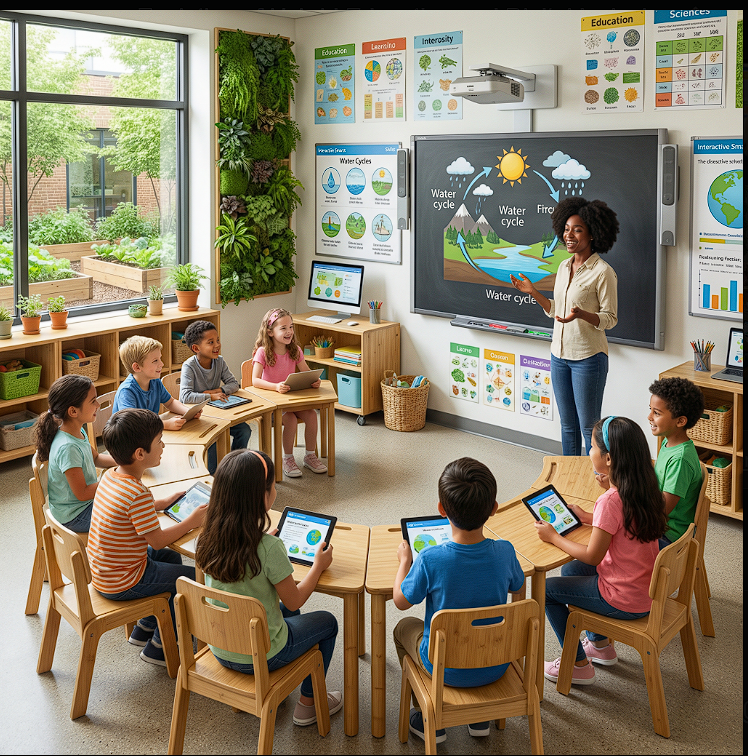
When weighing senior school options, parents must look beyond exam scores. The academic programs offered by each school are crucial. Under the Competency-Based Curriculum (CBC), learners will specialize in pathways such as STEM, Arts & Sports, or Social Sciences. A child with a passion for robotics will thrive in a school with strong science labs, while a budding artist will need studios and mentors who nurture creativity.
The choice between boarding and day schools is equally significant. Boarding schools provide immersion, independence, and access to facilities, but they also mean less daily family contact. Day schools, on the other hand, allow children to remain rooted in their home environment, often at lower cost. Parents must weigh their child’s maturity and personality against family circumstances.
Beyond academics, school culture and discipline play a defining role. A school’s values shape resilience, respect, and social skills. Parents should visit campuses, talk to alumni, and observe how discipline is enforced. A nurturing culture can inspire confidence, while a toxic one can derail progress.
Extracurricular opportunities are another pillar of holistic education. Schools that offer structured programs in sports, coding, debate, or music help learners discover talents and build teamwork. Limiting extracurriculars risks stifling creativity and leadership.
Of course, costs and financial planning cannot be ignored. Public schools are affordable and regulated, while private and international schools often charge higher fees but provide broader exposure. Financial strain can affect family stability, so parents must budget realistically, explore scholarships, and prioritize value over prestige.
Finally, location and accessibility matter. Urban schools may offer exposure and facilities but can be costly and competitive. Rural schools provide focus and affordability but may lack resources. Parents must balance convenience, safety, and quality.
Implications of Choices
The consequences of these decisions ripple far into the future. A well-matched school can unlock a child’s potential, leading to academic success, personal growth, and career readiness. A poor match may result in disengagement, financial strain, or limited opportunities. The solution lies in involving learners in the decision-making process, seeking professional guidance, and aligning choices with long-term goals.
The 10 Best Types of Schools Parents Should Consider
Kenya’s senior school landscape is rich and varied. Each type of school offers unique strengths, and understanding them helps parents make informed choices.
Public and private schools represent the most common divide. Public schools are affordable, accessible, and regulated, making them ideal for families seeking inclusivity. Private schools, though more expensive, often provide smaller classes, modern facilities, and innovative teaching methods.
National schools stand as elite institutions, known for their strong academic records and diverse student populations. They are highly competitive but provide exposure to learners from across the country.
Provincial schools balance affordability and quality, often closer to home. They may lack the prestige of national schools but offer stability and accessibility.
International schools cater to families seeking global exposure. With curricula such as IGCSE or IB, they prepare learners for international universities. The fees are high, but the opportunities are vast.
Faith-based schools integrate moral values with academics. They foster discipline and community, making them ideal for families prioritizing character development alongside education.
STEM-focused schools are increasingly popular, preparing learners for careers in science, technology, engineering, and mathematics. With robotics labs and coding clubs, they align with Kenya’s digital future.
Arts-focused schools nurture creativity in music, drama, and visual arts. They are perfect for learners with artistic gifts who need structured development.
Boarding schools provide immersive environments, discipline, and independence. They suit learners who thrive in structured settings but require financial commitment.
Day schools allow family involvement and reduce costs. They are ideal for families who want daily engagement in their child’s education.
Finally, schools with strong leadership programs develop confidence, communication, and civic responsibility. Through clubs, mentorship, and debate, they prepare learners to lead in society.
Practical and Hopeful Solutions for Parents
The journey of choosing a senior school can feel overwhelming, but there are practical steps to ease the process. Parents should engage learners in discussions, ensuring choices align with interests and strengths. Visiting schools provides firsthand insight into culture and facilities. Financial planning—through bursaries, scholarships, or staggered payments—can ease the burden. Technology offers tools to compare schools and track performance.
Most importantly, parents must remain hopeful. Success is not confined to elite institutions. Every child has a pathway, and with the right support, they can thrive in any environment.
Conclusion
As Kenya prepares for the senior school transition in 2026, parents stand at a crossroads. The decisions they make now will shape their children’s futures. Yet, amid the challenges, there is reassurance: Kenya’s diverse school system offers opportunities for every learner. By considering academics, culture, costs, and opportunities, parents can make choices that restore hope and open doors.
The KJSEA results are not the end of the journey—they are the beginning of a new chapter. With thoughtful planning and faith in their children’s potential, parents can ensure that the next step is one of growth, opportunity, and promise.
Sources:
- Tuko – KJSEA 2025 School Placement Results
- Capital FM – KJSEA 2025 Grading Explained
- Business Radar – Senior School Placement Guidelines