The Shambolic Election in Tanzania
By CMN – Giving Voice to Communities

In late October 2025, Tanzania held its general election — but what was meant to be a democratic exercise, turned into a crisis of legitimacy. With major opposition figures sidelined, civil-unrest erupting and internet blackouts sweeping the nation, the election has been widely labeled as deeply flawed.
A Vote With No Real Choice
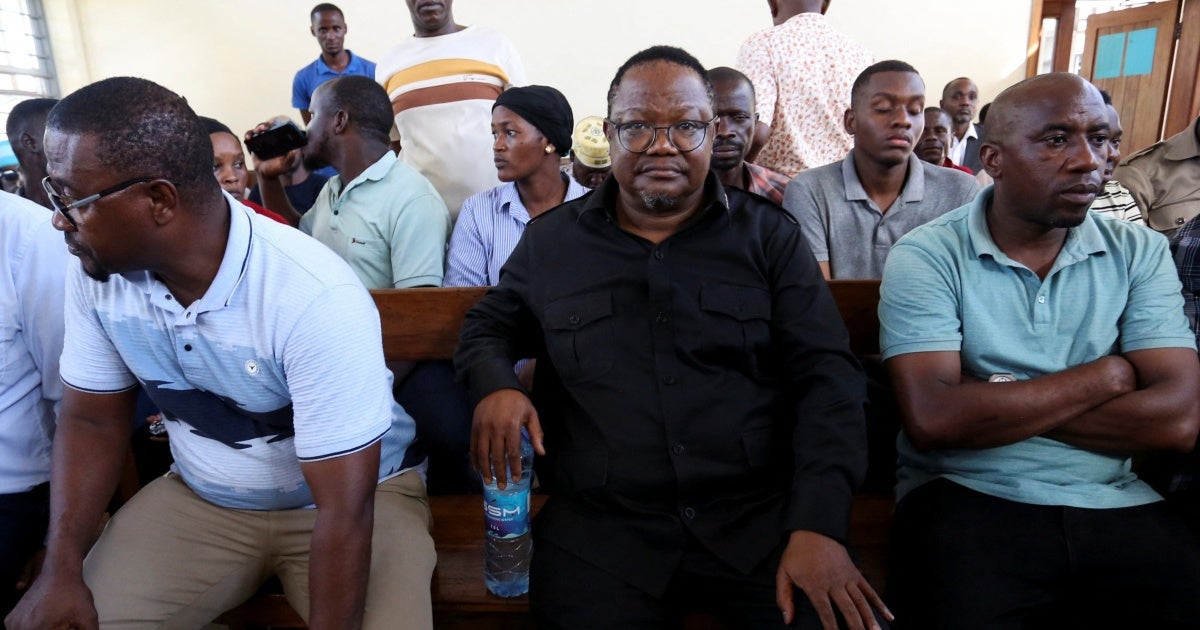
The country’s main opposition party, Chama Cha Demokrasia na Maendeleo (CHADEMA), was effectively barred from meaningful participation. Its leader, Tundu Lissu, stands charged with treason — a capital offence — and the party was disqualified for failing to sign an electoral code of ethics under protest. (Human Rights Watch)
Similarly, another opposition force, ACT‑Wazalendo, had its candidate disqualified. (The Mail & Guardian) The result: an election with virtually no credible opposition and a ruling party — Chama Cha Mapinduzi (CCM) — poised to win overwhelmingly.
This absence of meaningful competition calls into question the very premise of the poll as a free and fair exercise. According to observers, the environment had been “at great risk”. (Human Rights Watch)
Chaos at the Polls: Disruptions, Violence and Mistrust
Reports from across the country paint a troubling picture: polling stations were attacked, voting didn’t take place in some areas, and internet and communications were heavily restricted. (The Standard) For example:
-
In Dar es Salaam multiple polling stations were set ablaze and operations disrupted. (The Standard)
-
Internet access was throttled, leaving traditional media struggling to cover the vote. (The Standard)
-
Independent monitoring was weakened as opposition agents were denied access or disqualified. (Tanzania Digest)
With so many structural and operational issues, the trust of voters in the process appears to have been deeply affected.
Tallying the Cost: From Legitimacy to Risk
The official results show a landslide victory for President Samia Suluhu Hassan with about 97.66 % of votes according to the electoral commission. (Reuters) Opposition sources claim many hundreds may have died in post-election protests — figures ranging up to 700. (The Guardian)
For donors, civil society agencies and community organisations, this matters significantly: an election may still be legally valid, but if it is widely viewed as unfair, it undermines legitimacy, weakens citizens’ confidence, and erodes civic engagement.


What This Means for Communities
-
Participation matters: Without genuine choice and inclusive participation, communities feel disenfranchised rather than empowered.
-
Operational transparency is critical: Voter registrations bloated with ineligibles undermine trust. (Tanzania Digest)
-
Safety & voice are essential: With arrests, disappearances and limited freedom of expression, democratic spaces shrink. (Human Rights Watch)
- Watch for long-term fallout: A flawed election can deepen disillusionment, reduce turnout in future polls, and favour entrenched power structures.
Conclusion
The Tanzania election of 2025 may check the boxes of “done,” but in many ways it failed the test of democracy. For CMN and partners, this moment is a reminder: real democracy is messy, demanding and not just about ballots. It’s about voice, choice, fairness and oversight. As we support democratic processes around the world, ensuring those elements exist is essential — or risk funding exercises that appear democratic but serve non-democratic ends.
By CMN – Empowering People, Strengthening Democracy.
#Tanzania2025 #DemocracyInCrisis #CommunityVoice #ElectionIntegrity