Kenya’s political landscape remains highly dynamic this week, with a mix of electoral contestations, crackdowns on political violence, sharp rhetoric from leading opposition figures, and simmering concerns over the future of democracy. As the country edges closer to the next general elections in 2027, recent developments suggest growing tensions between ruling and opposition camps — with implications for governance, civil stability, and citizens’ trust in institutions. This article summarizes the top political updates from this week, analyses their meaning, and reflects on what they could mean for everyday Kenyans.
🔹 1. Government orders crackdown on political gangs amid rising violence
One of the most consequential developments came when William Ruto — the President of Kenya — directed police leadership to “take firm action” against criminal groups accused of infiltrating political events and fueling violence across the country. The Times
-
The directive followed a spate of chaotic incidents during recent by‑elections and political gatherings, including violent confrontations in places such as Kariobangi North. The Times+2The Times+2
-
At a graduation ceremony for thousands of chiefs and assistant chiefs in Embakasi, Ruto condemned the use of hired youths — often labeled as “goons” — to disrupt public events or intimidate opponents. He warned that such actions would not be tolerated. The Times
-
Interior Cabinet Secretary Kipchumba Murkomen echoed the statement, underscoring that the government would hold perpetrators — including those allegedly backed by political actors — accountable under the law. The Times+1
Why it matters: The decision signals an official acknowledgement of — and willingness to act on — mounting concerns over politically motivated violence. For ordinary citizens, this could mean greater security at political rallies or public events. Yet the effectiveness of the crackdown will depend heavily on impartial enforcement, transparency, and whether the state resists the temptation to apply this selectively.
🔹 2. Post‑by‑election reactions: Government celebrates, opposition cries foul
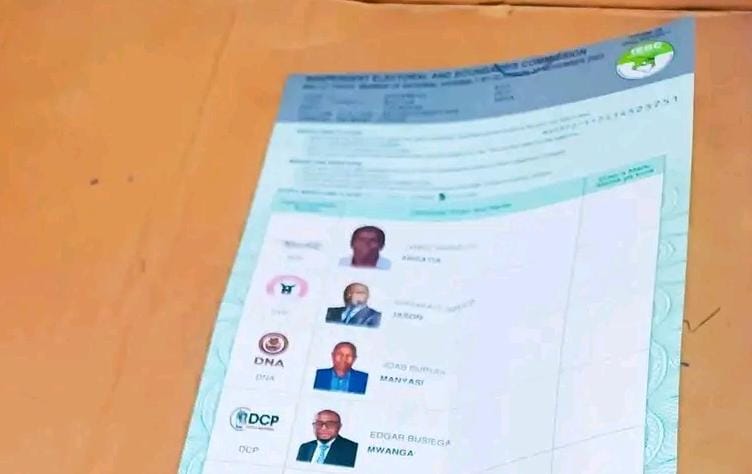
The backdrop of by‑elections held on November 27, 2025 continues to dominate Kenya’s political headlines. According to the government, all seven parliamentary seats contested were secured by ruling‑allied candidates — a result hailed by President Ruto in public remarks. Kenyans
Ruto described the outcome as a repudiation of “divisive and tribal politics,” calling instead for unity and development‑focused governance. Kenyans+1
In contrast, the opposition and several civil‑society organizations have raised serious concerns over irregularities. Allegations include misuse of state resources, intimidation of voters, deployment of police and plainclothes security personnel, and “early” or illegal campaigning in breach of court rulings on fair election practices. The Times+2The Star+2
-
Ahead of the polls, the opposition claimed there was a coordinated effort to influence the outcome by the government — including deployment of “hired groups” to intimidate voters and interfere with ballot integrity. The Times+1
-
Civil society groups including Transparency International – Kenya (TI‑Kenya) and the Kenya National Human Rights Commission (KNHRC) have threatened legal action to challenge the results, describing the environment as heavily militarised and antithetical to democratic norms. The Star
Why it matters: If these complaints lead to court challenges or reprisals, they could further polarise Kenyan politics. For citizens, it raises questions about whether votes truly count and whether democracy is being undermined under the guise of “law and order.”
🔹 3. Opposition voices escalate — Warning of a “revolutionary mode”
Kalonzo Musyoka — a veteran opposition leader — has sharply warned that Kenya is entering what he described as a “revolutionary mode,” arguing that the upcoming 2027 elections may not be a normal contest if current political and governance trends persist. The Star
During a December 6 2025 speech to a gathering of advocates, Kalonzo urged members of the legal profession to stand up for democracy, the rule of law, and the constitution — warning that public office should be a sacred trust and not a means for personal enrichment. The Star
This comes at a time when many citizens remain disillusioned: economic pressures, public debt, and past protests have heightened distrust. Africanews+1
Why it matters: The rhetoric suggests growing impatience and a possible shift from peaceful political contestation to deeper unrest if grievances remain unaddressed. For citizens — especially lawyers, civil society activists, and the youth — this is a call to vigilance: both over how democratic processes are handled, and over protection of constitutional rights.
🔹 4. Legal check on “early campaigns”: High Court ruling shakes electoral norms
A landmark ruling by the High Court earlier this year declared that political campaigns conducted outside the officially gazetted period are unconstitutional and illegal. The Star
This decision is being hailed by many as a defining moment for Kenya’s electoral integrity — potentially curbing a long‑standing advantage enjoyed by incumbents and well‑funded candidates who often begin mobilising years ahead of a vote. The Star
However, some of the November 2025 by‑elections saw accusations of “early campaign activity,” including illegal political rallies and use of state resources — raising questions whether the ruling is being respected in spirit or only in name. The Times+1
Why it matters: If properly enforced, this ruling could level the electoral playing field, giving newer or less‑funded candidates a fair chance. For citizens, especially voters in rural and marginalised areas, it could translate into more meaningful representation and less political intimidation.
🔹 5. Bigger backdrop: Growing frustration over economy, police brutality and governance
Underlying all these events is a deeper wave of public dissatisfaction that has been building for months. Since 2024, youth‑led protests against the contentious Kenya Finance Bill 2024 morphed into widespread protests against rising cost of living, police brutality, and perceived government corruption. Wikipedia+2Africanews+2
Critics — including opposition leaders — accuse the government of heavy‑handed responses, arbitrary arrests, and selective enforcement of law, undermining trust in state institutions. Africanews+1
The repeated turbulence — elections, protests, court rulings, violence — has left many citizens uneasy about the direction in which the country is heading. For many, this week’s political developments are not isolated events but part of a larger pattern indicating systemic instability.
⚠️ What This Means for You: Impact on Ordinary Kenyans
-
Security risks & political violence: The crackdown on political gangs might reduce violence — but if enforcement remains selective, ordinary citizens attending rallies or engaging in civic action may still fear harassment or intimidation.
-
Erosion or protection of electoral integrity: The High Court ruling on early campaign restrictions — if enforced — could safeguard fairness. However, the contested by‑elections raise doubts about implementation.
-
Democratic anxiety ahead of 2027: Rising rhetorical intensity and opposition warnings of “revolutionary mode” may catalyze polarisation. Citizens must stay informed and vigilant about civic freedoms, peaceful protest rights, and the conduct of upcoming elections.
-
Pressure on governance: Growing public frustration with economic hardship, high debt, and corruption may force the government to prioritise responsiveness — or risk further unrest.
✅ Looking Ahead: What to Watch
-
Will the government follow through with a genuine crackdown on politically motivated violence — or will it be selective?
-
Will civil‑society threats to challenge by‑election results in court materialize — and what precedents might they set?
-
Can enforcement of new electoral norms (e.g. against early campaigning) be upheld consistently ahead of 2027?
-
Will opposition warnings — including calls for mass civic engagement — translate into a renewed wave of protests or organised political activism?
-
How will public sentiment evolve, especially amid economic pressure, as the election season intensifies?
🔎 Conclusion
This week’s events underscore that Kenya stands at a crossroads. With by‑elections challenged, government crackdowns ordered, and opposition voices growing louder — the country’s democratic institutions are under strain. For citizens, this is not just political theatre: the outcomes will shape daily life, governance, and the future of civic liberties. As the 2027 general elections approach, it becomes critical for ordinary Kenyans to stay informed, stay engaged, and hold leaders accountable — wherever they stand politically.